
Active People, Healthy Utah Partner Group
Get Healthy Utah convened the Active People, Healthy Utah Partners Group in 2022 to support the CDC’s national goal of helping 27 million Americans become more physically active by 2027. Achieving this goal will require not only individual behavior changes, but systematic shifts in culture, infrastructure, and available resources.
The Active People, Healthy Utah Partners Group leads out on these systematic changes in Utah by convening leading experts from physical activity organizations across the state. The group champions best practices and supports communities to engage in cross-sector initiatives that are proven to have the greatest impact on physical activity.
Participating partners include Bike Utah, Intermountain Health, local health departments, the Office of Outdoor Recreation, Outdoor Afro, Shape Utah, University of Utah, Utah Department of Health and Human Services, Utah Department of Transportation, Utah Transit Authority, and more.
 From 2023 to 2024, the Active People, Healthy Utah Demonstration Project provided three Utah cities (Ephraim, Santaquin, and West Valley City) with funding, mentorship and technical assistance to improve active living in their community. The Demonstration Project was funded through support from Get Healthy Utah, the One Utah Health Collaborative, the Utah Department of Transportation, and the Wasatch Front Regional Council.
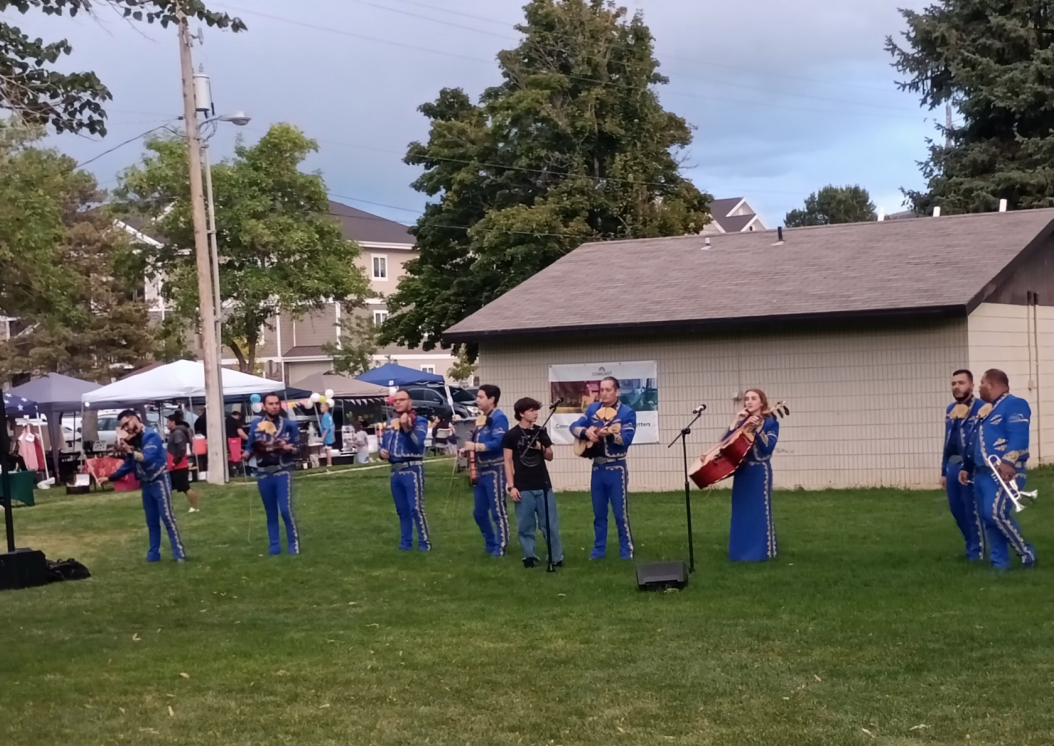
Over 18 months, communities implemented strategies from the “Active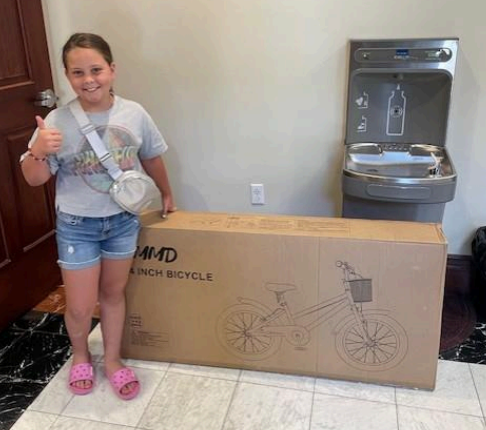 People, Healthy Nation” framework to increase physical activity. Ephraim improved the Mill Road Trail and launched a successful Bike Week campaign. Santaquin focused on bilingual outreach, Spanish-language materials, and increasing park use. West Valley City enhanced the Decker Lake and Jordan River Trail area to improve residents' experience.
There are several takeaways from the Demonstration Project:
- Cities benefited most from cross-sector partnerships, mentorship, and access to shared expertise, which opened doors to additional grants, free programs, and new collaborations.
- The learning sessions were valuable, with all participants reporting increased knowledge and confidence to apply evidence-based strategies.
- Difficulties included low staff capacity and difficulties measuring changes in physical activity over a short timeframe.
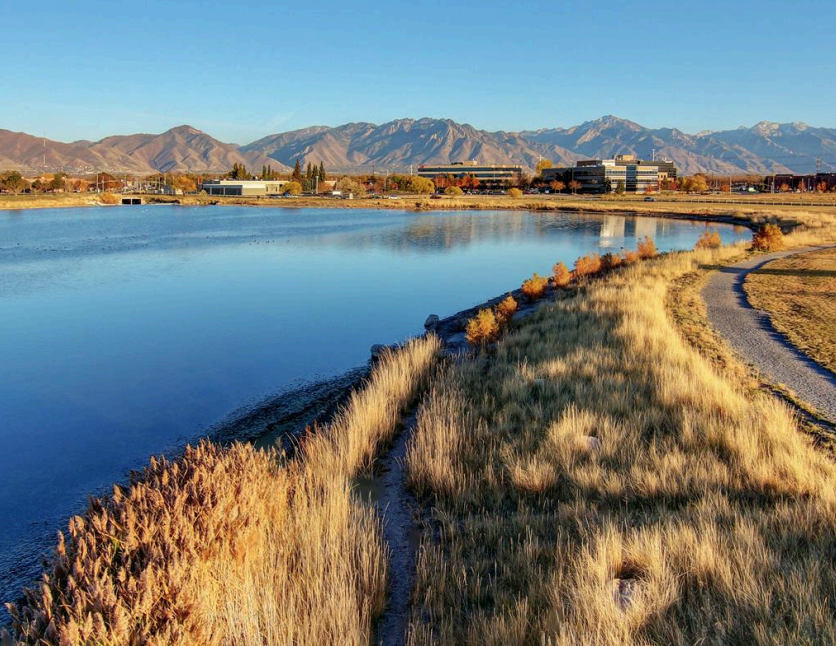 Each city involved saw increases the use of their local recreational area. On the whole, these projects showed that modest, targeted investments can increase physical activity in a community, which then will benefit residents' health long-term.