
Get Healthy Utah staff had the opportunity to attend the inaugural Growing Stronger Communities: Sustainable Agriculture for Nutrition Security in Raleigh, North Carolina. It was hosted by Inter-Faith Food Shuttle, which is a model example of a food bank with a farm and agricultural programs to nourish communities. At the conference, one thing was clear: healthy food access thrives when communities lead the way, plan strategically, and work together. Utah has a real opportunity to grow more of our own food, strengthen local systems, and empower communities to be more self-sufficient. Here are some takeaways from the conference:
Community-Led Solutions Work
The most successful programs are built with the community, not for them. From church-run “food is medicine” programs to neighborhood and school gardens, lasting impact happens when residents co-create solutions and have the tools, space, and support they need to sustain them.
Strategies for Healthy Food Access
Cities and communities can consider approaches like:
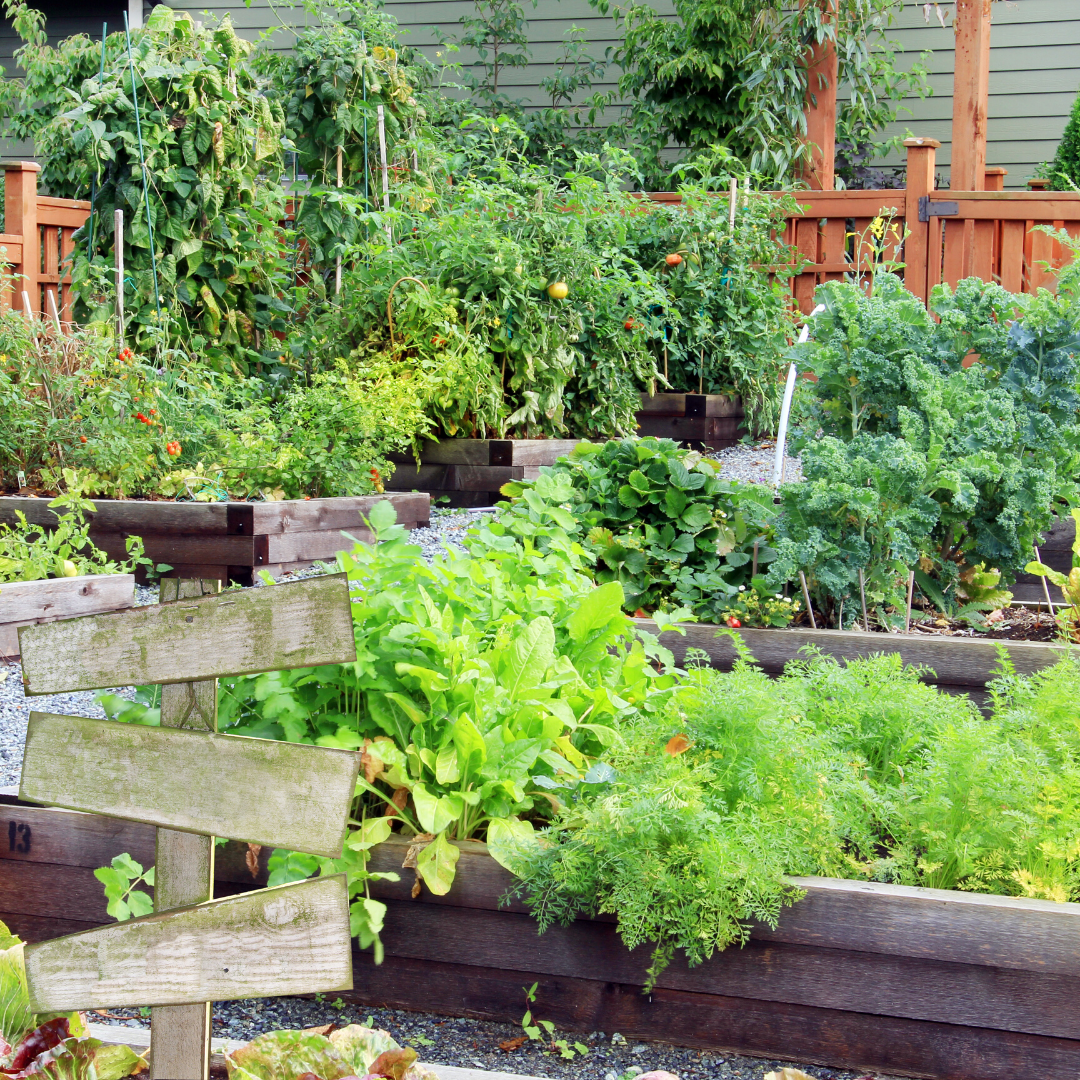
- Community and school gardens, including accessible and communal plots
- Food bank and partner farms with volunteer support
- Seed libraries and plant swap programs
- Farm-to-food-bank partnerships that support local farmers and reduce waste
- Workforce development programs in agriculture
- Shared tools, equipment, and resources
- Land access and mentorship programs for beginning farmers
These strategies build more than food—they strengthen skills, leadership, and resilience in communities.
Partnerships Multiply Impact
Schools, nonprofits, churches, universities, farmers, and city partners all bring unique strengths. By collaborating, communities can create local food systems that are sustainable, equitable, and rooted in shared purpose.
The Opportunity for Utah
Utah can lead the way in self-sustaining communities that grow, share, and thrive together. By investing in local food systems, empowering residents, and connecting partners, we can create a future where healthy food is accessible, communities are resilient, and Utah grows more of its own food locally.
Healthy communities grow from the ground up. When we plan, partner, and invest in local solutions, we build systems that last—and Utah is ready to do just that.